
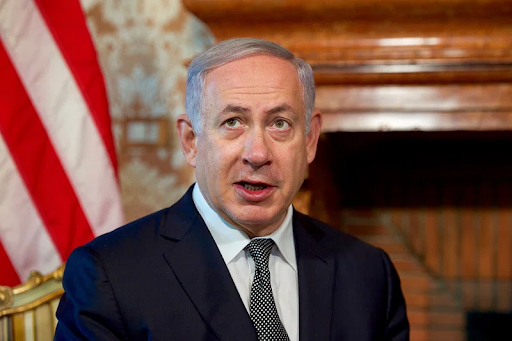
Following the tragic explosion near Delhi’s Red Fort, Israeli Prime Minister Benjamin Netanyahu issued a comprehensive statement on Wednesday reaffirming Israel’s unwavering support for India in its ongoing fight against extremism. Netanyahu addressed Prime Minister Narendra Modi directly, emphasizing that the bilateral partnership between India and Israel extends beyond conventional security cooperation to encompass shared commitment to democratic values, regional stability, and the broader struggle against violent ideology threatening societies worldwide.
Netanyahu’s message conveyed profound personal sympathy, with the Israeli leader and his wife Sara expressing condolences to families who lost loved ones in the Monday evening blast that resulted in significant casualties. The statement reflected genuine compassion informed by Israel’s own decades-long experience confronting terrorism in various forms and contexts. Netanyahu’s declaration that “Israel stands strong with you in sorrow and in strength” conveyed multidimensional commitment encompassing emotional support during times of crisis, practical security cooperation through intelligence sharing and technological innovation, training and capacity building, and sustained diplomatic coordination in international forums addressing terrorism, regional security challenges, and the broader threat posed by violent extremism to democratic societies.
The Israeli Prime Minister’s characterization of India and Israel as ancient civilizations provided historical context for understanding their contemporary alliance as reflecting deep cultural affinities and shared values rather than mere strategic convenience. Netanyahu’s assertion that both nations “stand on eternal truths” suggested that their partnership draws upon millennia of accumulated wisdom, philosophical reflection, and commitment to fundamental principles that transcend immediate political considerations. His declaration that “terror may strike our cities, but it will never shake our souls” articulated confidence that the spiritual, cultural, and moral resources of democratic societies provide resilience that terrorist organizations—despite their capacity for violence and disruption—cannot ultimately overcome or defeat through attacks on civilian populations.
The explosion that occurred on Monday evening has become the subject of exhaustive investigation by Indian security authorities determined to identify all perpetrators, understand operational methods, and dismantle networks that enabled the attack. The National Investigation Agency assumed control following the Ministry of Home Affairs’ recognition of the incident’s terrorist nature and national security implications. Intelligence sources indicate that a Jaish-e-Mohammad module orchestrated the attack, prompting comprehensive inquiries into the cell’s structure, operational capabilities, financing mechanisms, recruitment practices, and connections to broader terrorist infrastructure potentially operating across international borders. The NIA has organized a specialized investigative team supervised by senior officers of Superintendent rank and above, ensuring appropriate expertise while coordinating with multiple central and state security organizations.
International solidarity with India following the Red Fort blast reflects global recognition of terrorism as a shared threat requiring multilateral cooperation and sustained commitment. Israeli Foreign Minister Gideon Saar had previously expressed condolences and reaffirmed Israel’s support for India’s counter-terrorism efforts through bilateral mechanisms developed over years of partnership. The blast occurred around 7 pm near the Subhash Marg traffic signal, involving a slow-moving Hyundai i20 that detonated, claiming at least eight lives and causing numerous injuries while damaging several nearby vehicles in a historically significant area. As investigations continue and authorities work to understand all dimensions of the attack, the incident underscores the persistent threat posed by extremist organizations and the critical importance of international partnerships in addressing this challenge through coordinated intelligence, enhanced security measures, and diplomatic efforts to isolate terrorist networks.