
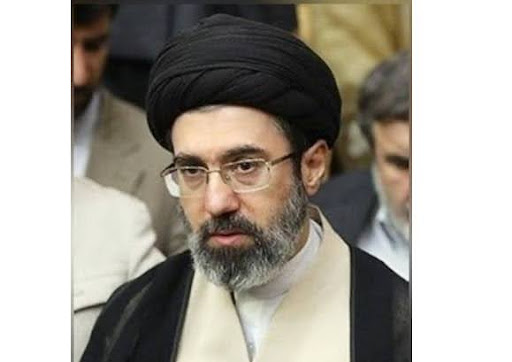
As Mojtaba Khamenei was being confirmed as Iran’s new supreme leader by the Assembly of Experts on Sunday, observers around the world were asking a single fundamental question: can this man hold Iran together? The question is not about institutional endorsements, which came quickly and comprehensively from the IRGC, armed forces, parliament, and security apparatus. It is about whether a 56-year-old cleric with no formal governing experience, appointed through family succession in a state founded against such practices, can command the genuine authority needed to lead a country through a war.
Mojtaba Khamenei spent his career as an informal power broker, not a governing figure. He studied theology in Qom and built his influence through access management and alliance-building within his father’s inner circle. His ties to the IRGC and conservative clergy are deep and genuine. But managing political access within a government is fundamentally different from governing — from making strategic decisions under pressure, communicating with a public in crisis, and exercising supreme authority in ways that shape events rather than merely reflect them.
The institutional picture on Sunday was uniformly positive for the new leader. Every major organization in the Islamic Republic declared its loyalty. Yemen’s Houthis celebrated. State media broadcast coordinated messages of national unity. Missiles inscribed with Mojtaba’s name appeared in military broadcasts. Ali Larijani praised his capabilities. The regime worked hard to project a picture of strength and coherence that left little room for any reading of vulnerability.
The military situation tested that picture immediately. Israel launched fresh strikes on Iranian infrastructure on Monday. Iran attacked five Gulf states simultaneously, killing two civilians in Saudi Arabia and damaging Bahrain’s desalination infrastructure. Oil markets surged on IRGC threats. The United States pledged not to target Iranian energy sites. Trump warned about Mojtaba’s durability. None of the pressure that preceded his appointment had diminished by the time of its announcement.
Holding Iran together under these conditions requires more than institutional endorsements — it requires judgment, communication, strategic clarity, and the ability to make consequential decisions under uncertainty. Mojtaba Khamenei may possess these qualities; his decades in the inner circle of a functioning government may have equipped him better than his lack of formal experience suggests. But the world is right to wonder, and the weeks ahead will provide the answer.