
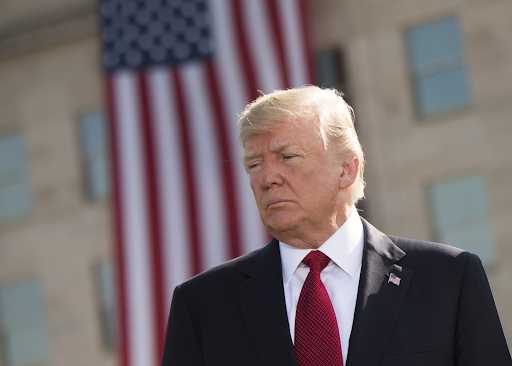
President Trump’s transactional approach to diplomacy—where relationships are evaluated primarily through cost-benefit calculations and everything becomes negotiable—fundamentally conflicts with alliance principles based on shared values, mutual commitments, and long-term partnership that cannot be reduced to immediate transactions. This methodological clash explains much of the tension between Trump’s Greenland campaign and European responses emphasizing alliance solidarity and sovereignty principles.
Transactional diplomacy treats international relationships as deals where each interaction involves exchanges of value with limited concern for broader relationship contexts or long-term partnership sustainability. This approach can generate short-term gains but undermines trust and predictability that enable complex international cooperation requiring sustained commitment beyond immediate quid pro quo calculations. Trump’s business background appears to inform his transactional diplomatic methodology.
Alliance principles conversely emphasize shared strategic interests, common values, mutual defense commitments, and long-term partnerships that transcend immediate transactional calculations. NATO specifically embodies these principles through Article 5 collective defense guarantees that commit members to potentially sacrifice for partners’ security even when immediate national interests might suggest otherwise. This solidarity depends on trust that partners will honor commitments even when costly.
The conflict between these approaches manifests in the Greenland crisis where Trump appears to evaluate relationships through immediate strategic and economic benefits (rare earth minerals, military positioning) while Denmark emphasizes alliance commitments, sovereignty principles, and partnership obligations that should constrain behavior regardless of perceived benefits. Trump’s willingness to threaten a NATO ally reveals prioritization of transactional gains over alliance preservation.
Danish Prime Minister Mette Frederiksen warned that any US military action would destroy NATO and eighty years of transatlantic security cooperation built on alliance principles. Greenland Prime Minister Jens-Frederik Nielsen demanded Trump respect international law. The fundamental methodological clash between transactional diplomacy and alliance principles helps explain why Trump’s approach generates such fierce European opposition. Europeans view alliances as sacred commitments requiring sacrifice when necessary, while Trump appears to view them as deal structures to be maintained only when immediately beneficial, creating irreconcilable perspectives that threaten the entire transatlantic partnership framework.