
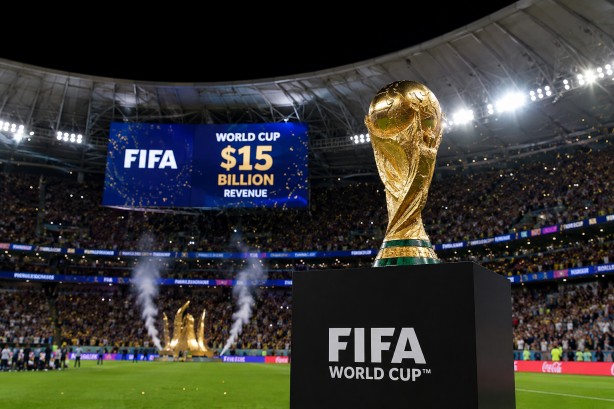
FIFA is poised to report a remarkable financial achievement, with revenues from this summer’s World Cup anticipated to hit $15 billion, significantly surpassing initial estimates of $11 billion. This surge in income is largely attributed to the flourishing sales of hospitality packages and tickets, particularly in the secondary market where FIFA earns a 15% commission from both buyer and seller transactions. These financial gains are expected to benefit FIFA’s member associations, although the specifics of fund distribution remain undecided.
The robust financial outcome bolsters the standing of FIFA President Gianni Infantino, who is gearing up for a likely re-election campaign in March. Infantino has already secured backing from over 200 member associations, reinforcing his leadership position within the organization. The success of the tournament not only strengthens FIFA financially but also enhances the United States’ chances of hosting future World Cup events. The U.S. is looking ahead, with the 2038 World Cup open for bids and discussions ongoing about a bid for the 2029 Club World Cup.
As the World Cup draws to a close, premium hospitality offerings continue to attract attention. Tickets for the final match between Spain and Argentina in New Jersey, especially those for the exclusive “trophy lounge” experiences, are still available, priced at a staggering $34,500 per person. These high-end packages underscore the significant role hospitality services have played in boosting FIFA’s revenue.
The financial benefits from this successful tournament are likely to have widespread implications. While FIFA’s member associations stand to gain, the broader impact could influence future hosting bids and international football dynamics. The record-breaking revenue figures underline the growing commercial appeal of the World Cup and the increasing importance of strategic financial planning within global sports organizations.