
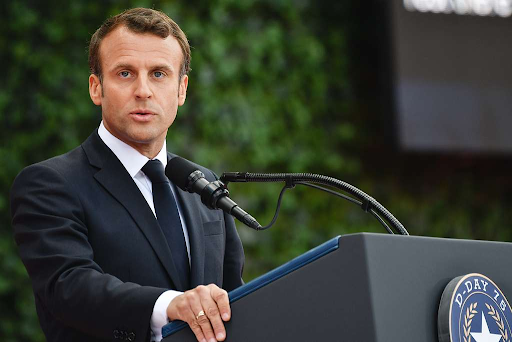
Emmanuel Macron’s speech at the AI Impact Summit in Delhi was primarily about children, but it contained another argument of equal importance: that the concentration of AI power in a handful of companies is dangerous not just economically but politically. The French president’s defence of European regulation is, at its core, a defence of democratic pluralism — an insistence that the most consequential technology in human history must not be privately owned in a way that places it beyond democratic accountability.
The concern about concentration is well-founded. A small number of American companies and a handful of Chinese rivals currently control the most capable AI systems in existence. These companies are accountable to their shareholders and, to varying degrees, to their home governments — but not to the billions of people whose lives their technology affects. Macron’s argument is that democratic governments must assert their role as the representatives of those people and the guardians of their interests.
The child safety crisis is the sharpest illustration of what happens when that assertion is absent. Research by Unicef and Interpol found that 1.2 million children in 11 countries had been victimised by AI-generated explicit deepfakes in a single year. This crisis has been enabled by companies that control powerful technology and have not been legally required to prevent its misuse against children. Macron’s regulatory agenda — both the EU’s AI Act and his G7 presidency priorities — is designed to change this.
António Guterres reinforced Macron’s point from a global development perspective, warning that AI controlled by the few is a threat to everyone else’s opportunity and autonomy. Narendra Modi made a related argument specifically about open-source development — that technology which cannot be shared and adapted cannot truly benefit the world. These arguments come from different traditions and imply different solutions, but they share a diagnosis: concentrated AI power is a problem that democratic governance must address.
Macron’s Delhi speech placed him at the centre of a debate that will define the next decade of AI policy. The question is not whether AI will be concentrated — it already is. The question is whether democratic governments will act to ensure that concentration is subject to accountability, transparency and legal standards that protect everyone, including the children who are currently paying the highest price for their absence.