
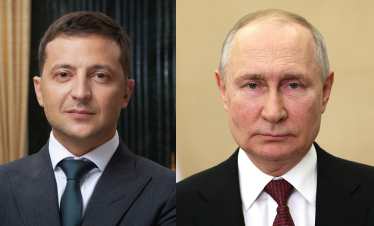
The international community faces fundamental choices about response approaches to Russian allegations, with decisions made now likely to establish precedents influencing future diplomatic dynamics and Russian tactical calculations.
Following Russian accusations about a Ukrainian drone attack, international actors must choose between various response approaches: immediate vocal challenge, measured assessment before responding, private diplomatic engagement, public statements, coordinated multilateral responses, or relative silence. Each approach carries different implications for diplomatic processes and Russian perceptions of international resolve.
President Zelensky has advocated strongly for immediate vocal challenge and active counter-messaging, arguing that speed and clarity of international responses significantly influence whether Russian manipulation succeeds. He suggested that measured approaches risking delay allow Russian narratives to establish themselves before adequate challenge materializes. The Ukrainian president emphasized that response approach choices carry substantial consequences.
The choice between approaches reflects different theories about how to most effectively counter disinformation and protect diplomatic processes. Some favor caution and thorough verification before responding, while others emphasize rapid challenge to prevent narrative establishment. Zelensky’s position prioritizes rapid, vocal responses based on assessment that delay advantages manipulators.
The international community’s choices about response approaches to current Russian allegations will likely influence future dynamics. If vocal challenge proves effective in countering manipulation and protecting peace processes, similar approaches may be employed in future incidents. Conversely, if measured approaches prove more successful, those methodologies may become standard. These precedential effects make current choices particularly significant.
Zelensky called on world leaders to choose active, vocal response approaches rather than measured silence. He argued that the international community faces a clear choice between approaches that enable Russian manipulation through delayed responses versus approaches that challenge false narratives immediately. The Ukrainian president emphasized that precedents established through current choices will influence Russian calculations about whether similar tactics can succeed in future. He stressed that choosing effective response approaches now serves both immediate needs of protecting current peace initiatives and longer-term interests in deterring future Russian manipulation attempts. Zelensky concluded that the international community’s choices about response approaches represent consequential decisions deserving careful consideration of their precedential effects.