
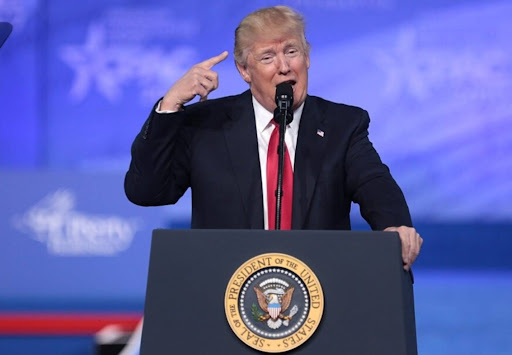
The oil crisis triggered by the US-Iran conflict is hitting hardest in energy-importing nations, yet President Trump on Thursday noted that America sees the situation differently — as the world’s largest oil producer, the United States actually benefits financially from higher crude prices. In a Truth Social post, Trump stated that while America profits from the oil surge, his “far greater” concern is preventing Iran from developing nuclear weapons. The IEA simultaneously recorded the worst supply shock in global market history.
Gulf producers have cut output by roughly 10 million barrels per day — approximately 10% of global demand. Brent crude gained as much as 10% Thursday to briefly surpass $100 per barrel. West Texas Intermediate climbed toward $96. The IEA released 400 million barrels from member nations’ emergency reserves, and the US committed 172 million barrels from its Strategic Petroleum Reserve.
Trump’s Truth Social post acknowledged the economic asymmetry between America and oil-importing nations. The United States, as the world’s largest producer, makes significant money when prices rise — a reality that insulates Washington from some of the conflict’s economic pain. But he then directed attention to the priority that transcends economics: stopping Iran, an “evil Empire,” from obtaining nuclear weapons that would destroy the Middle East and the world. He pledged to never allow this.
The acknowledgment that America sees the oil crisis differently from import-dependent nations is a moment of unusual diplomatic candor. It implies that Washington understands its allies’ pain but will not let their economic suffering determine its strategic choices. This asymmetry could strain allied relationships as the conflict continues. Trump reinforced the posture Wednesday, confirming ongoing operations of historic intensity.
Trump said he is not worried about Iranian retaliation against American soil. The oil market disruption is the worst in recorded history. America may see it differently, but the world’s energy-importing nations are watching closely to see how long their economies can sustain a conflict their most powerful ally says it is winning on two fronts simultaneously.