
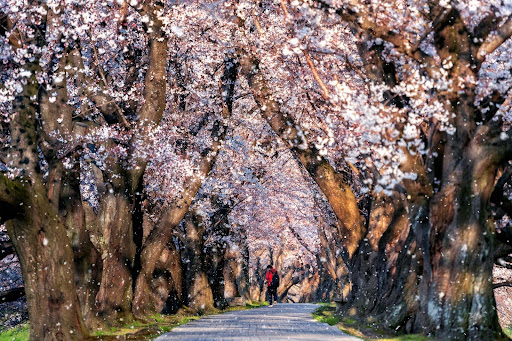
While the visual beauty of cherry blossoms is well-documented, the experience of a Himalayan spring is a multi-sensory journey. In the quiet orchards of Uttarakhand and Kashmir, the fragrance of thousands of flowers fills the air with a delicate, sweet scent. This olfactory experience is often what travelers remember most vividly long after the petals have fallen.
The soundscape of a blooming orchard is equally unique, defined by the gentle hum of pollinators and the rustle of petals in the mountain breeze. In places like Srinagar’s Mughal gardens, the sound of nearby water features blends with the natural quiet to create a meditative atmosphere. It is a stark contrast to the noisy urban environments that many visitors are seeking to escape.
For many, the physical sensation of walking through a “rain of blossoms” in Almora or Kullu is the highlight of the trip. The soft touch of falling petals is often described as “nature’s kiss,” a fleeting interaction that connects the traveler to the land. This tactile connection helps ground the visitor in the present moment, fostering a sense of peace and well-being.
These sensory experiences are increasingly being integrated into wellness and “forest bathing” tours. Travelers are encouraged to sit quietly under the trees, taking in the sights, sounds, and smells of the spring awakening. This mindful approach to tourism aligns with the growing global trend of prioritizing mental health and natural connection.
By focusing on the sensory aspects of the bloom, tourism operators are able to offer a more profound and memorable experience. It encourages visitors to slow down and appreciate the subtle details of the environment. The blossom season is not just something to be seen; it is something to be felt and breathed.