
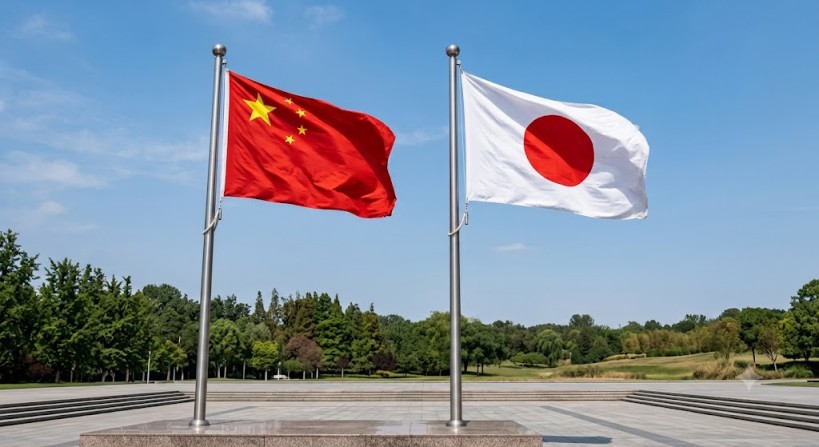
China has implemented new export controls on 40 Japanese entities, accusing them of aiding Japan’s military expansion and “remilitarization” efforts. These measures affect 20 Japanese companies and their divisions, including those tied to major firms, by restricting the sale of certain dual-use goods that could be used for both civilian and military applications from Chinese and foreign exporters.
An additional 20 Japanese entities have been placed on a watch list, which forces exporters to obtain special approvals, conduct risk assessments, and ensure that their products will not be utilized for military purposes. China argues that these restrictions are necessary to curb Japan’s growing military capabilities, which Beijing views as an increasing threat, particularly as Tokyo enhances its long-range weaponry and strengthens security ties with other nations.
Japan has responded by condemning the export controls as unacceptable and has called on China to rescind these measures. Japanese officials have announced plans to assess the potential impact of these restrictions and explore appropriate countermeasures. The diplomatic tensions come amid Japan’s efforts to expand its defense strategy and enhance its military power, moves that China has consistently criticized, especially concerning Japan’s policies related to Taiwan.
Amid rising regional security concerns, analysts suggest that China’s export restrictions might serve as a diplomatic signal rather than a sweeping economic action. However, the already delicate relationship between the two countries faces further strain as these new measures add another layer to their complex interactions.