
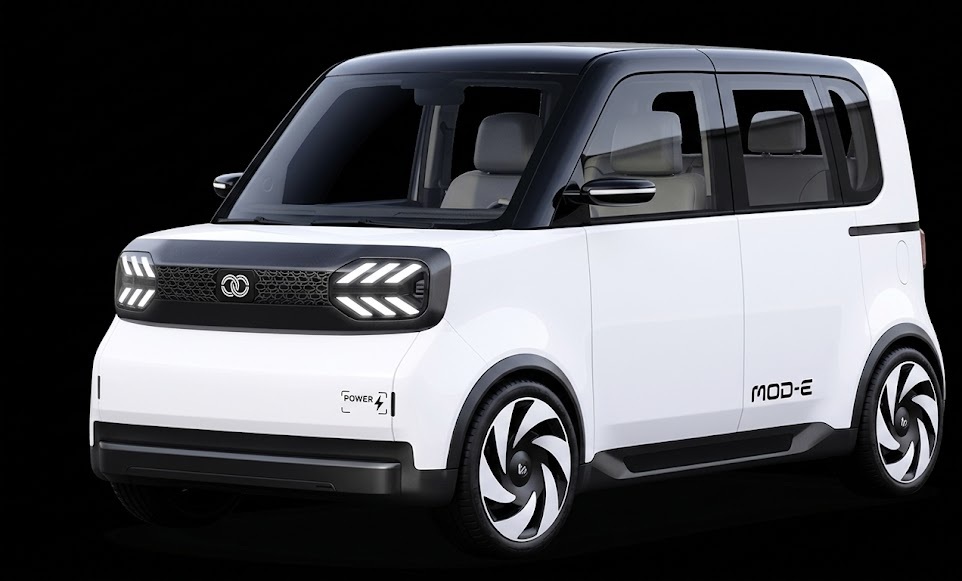
A new electric vehicle brand, EMTA, has been announced for the Japanese market through a collaboration between Japanese automotive companies and Chinese automaker Chery Automobile. The first model from this brand is anticipated to be released in 2027, focusing on the compact kei car segment, which is a significant part of Japan’s automotive industry.
The initiative, spearheaded by Yokohama-based EMT Co., brings together firms like Autobacs Seven and Anest Iwata from Japan, in partnership with Chery Automobile and a battery manufacturer. This venture aims to plan and market the kei electric vehicle (EV) in Japan while the design and manufacturing will occur in China. The new vehicles are expected to feature advanced digital capabilities such as wireless software updates, smartphone integration, and support for automated driving functions.
Kei cars hold a substantial share of the Japanese automotive market, accounting for over one-third of new vehicle sales. Their popularity for short daily trips makes them an appealing target for electric mobility solutions, as range anxiety is less of a concern. The company is considering leveraging Autobacs stores as potential sales outlets and plans to introduce three more electric vehicle models by 2029. Additionally, EMT is contemplating future production in Japan and expanding to international markets.
The announcement of EMTA comes amidst growing competition in Japan’s kei EV market. Currently, Chinese automaker BYD is gearing up to introduce its Racco kei EV tailored for Japan, while Nissan Motor has expanded its Sakura lineup with a more affordable option. In parallel, Suzuki Motor is set to launch a kei EV within the fiscal year, and Honda Motor is preparing to release an electric version of its well-liked N-Box model by 2028.
The influx of new players underscores the increasing momentum in Japan’s small electric vehicle market, as manufacturers vie to capture the attention of budget-conscious urban drivers. This competitive landscape is indicative of the broader global push towards sustainable transportation solutions, with automakers focusing on producing efficient and technologically advanced vehicles for city dwellers.