
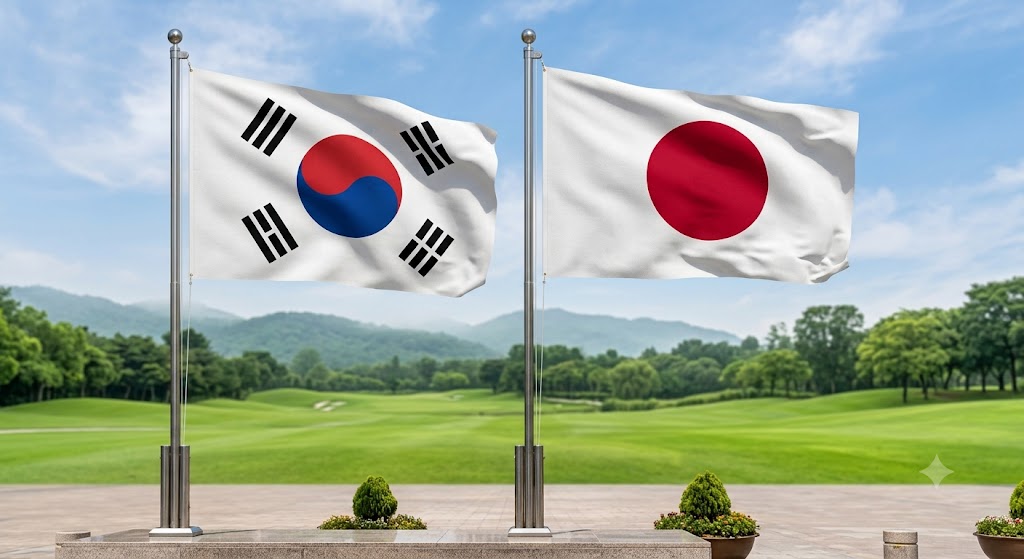
In a bid to address escalating regional tensions, South Korea and Japan have reiterated their dedication to the denuclearization of the Korean Peninsula while pledging to enhance security cooperation. This commitment was solidified during defense discussions held in Seoul, where South Korean Defense Minister Ahn Gyu-back and Japanese Defense Minister Shinjiro Koizumi met to strategize on supporting regional peace and stability through closer bilateral ties and partnerships with the United States.
The defense ministers agreed to reinstate joint search-and-rescue exercises and enhance military exchanges, including collaborative efforts between their air forces’ aerobatic teams. This development represents a notable advancement in defense relations between the two nations, which have historically been marred by disputes. The renewed collaboration underscores their shared focus on strengthening security measures in light of North Korea’s ongoing nuclear activities and increasing military coordination with Russia.
Efforts to deepen security collaboration have been a priority for both South Korea and Japan, particularly in the face of North Korea’s provocative actions. The countries have also been exploring cooperation in emerging technological fields, such as artificial intelligence and unmanned systems, alongside conducting joint military exercises to bolster their defense capabilities.
Despite these advancements, lingering tensions rooted in historical grievances persist, particularly those related to Japan’s colonial rule over the Korean Peninsula and disputes over wartime issues and territorial claims. These historical issues continue to pose challenges to fully normalized relations. Nevertheless, both governments remain committed to maintaining open dialogue and enhancing strategic cooperation as they navigate these complex historical and geopolitical landscapes.