
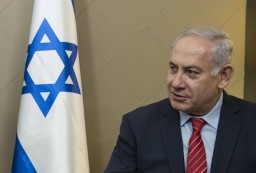
Israeli Prime Minister Benjamin Netanyahu rejected the narrative of Israeli pressure on Washington with characteristic directness on Friday, saying that neither he nor Israel had dragged the United States into the war with Iran. He described reports to the contrary as fake news. Netanyahu also declared that Iran had been left without the capacity to enrich uranium or produce ballistic missiles after twenty days of fighting. The press conference was notable for its combination of military declarations, diplomatic transparency, and long-range strategic thinking.
The prime minister described his partnership with Trump in strong terms, calling it the most closely coordinated alliance between two leaders he could point to in recent memory. He emphasized Trump’s independence and deep understanding of the Iranian nuclear threat, noting that Trump had contributed his own analytical insights to their discussions rather than simply receiving briefings. Netanyahu framed this as a partnership of genuine intellectual and strategic equals.
The confirmation of Israel’s solo strike on the South Pars gas compound came alongside the disclosure of Trump’s request for a pause in further attacks on Iranian gas infrastructure. Netanyahu handled both facts with diplomatic ease, presenting them as evidence of a healthy and communicative alliance. He maintained throughout that Israel’s military autonomy remained intact.
On the Hormuz issue, Netanyahu called Iran’s closure threats blackmail and dismissed them. He proposed pipeline routes from the Arabian Peninsula to Israeli and Mediterranean ports as a structural replacement for Hormuz dependency. Netanyahu framed this as both an urgent post-conflict investment and a lasting contribution to global energy security.
Netanyahu closed with commentary on Iran’s leadership vacuum, noting the new supreme leader had not been seen publicly since the war began. He admitted genuine uncertainty about who was running Iran and pointed to visible power struggles within Tehran’s ruling circle. These internal fractures, Netanyahu said, combined with military losses, were moving the war toward an end sooner than most people anticipated.