
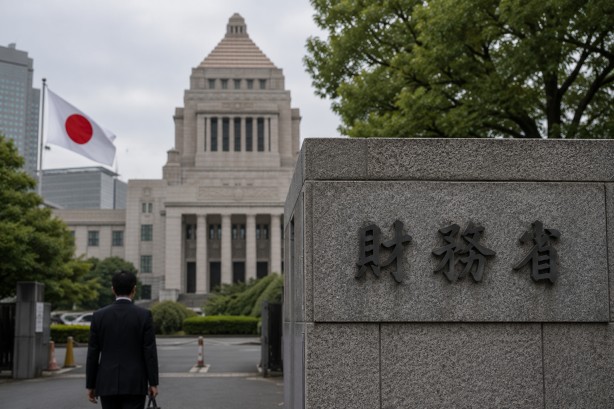
The Japanese government’s attempt to streamline corporate tax incentives has yielded limited results, with only one tax break out of approximately 120 being recommended for elimination. This effort is part of a broader initiative to cut down on inefficient government spending and to secure funding for planned tax relief measures. Ministries and government agencies were tasked with evaluating the effectiveness of various special tax breaks, but the exercise largely fell short of expectations.
Despite the push for reform, most agencies opted to defend their existing incentives, even those that see minimal usage. They argued that these tax breaks continue to support important long-term policy goals. This reluctance to cut back on tax incentives has resulted in a less impactful review than initially anticipated, leaving many of the existing measures intact.
Finance Minister Satsuki Katayama expressed dissatisfaction with the initial findings, acknowledging they did not meet the desired outcome. Katayama promised a more comprehensive review before the end-of-year negotiations, aiming to identify more areas where spending could be reduced effectively. The tax incentives under scrutiny currently contribute to about 1 trillion yen in tax reductions, highlighting their significant financial impact.
The drive to secure additional revenue is partly aimed at funding a proposed temporary reduction in Japan’s consumption tax on food. The government is keen to implement this tax relief without increasing borrowing, making the efficient management of existing tax incentives crucial to balancing the budget.