
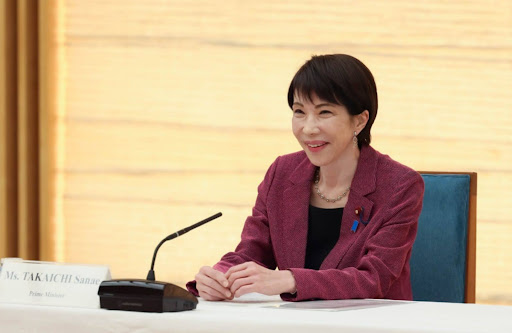
As Japan embarks on the biggest-ever release of oil from its national reserves — 80 million barrels to domestic refiners from Thursday — an unlikely voice has emerged as a calming presence in the crisis: Morio Ishizuka, head of the Japan Household Paper Industry Association, who has pleaded with consumers not to panic-buy toilet paper over fears triggered by the Middle East oil crisis. Prime Minister Sanae Takaichi confirmed the reserve deployment in response to the US-Israel conflict with Iran disrupting the Strait of Hormuz. The juxtaposition of historic energy policy and toilet paper industry spokespersons captures the surreal nature of the current crisis.
Ishizuka urged consumers to “buy only the usual amount you need” and appealed for calm information-sharing to avoid amplifying anxiety. The industry association noted that roughly 97% of Japan’s toilet paper is produced domestically using recycled paper, with no reliance on Middle Eastern supply chains. The message was clear: the energy crisis is real, but toilet paper is not at risk.
Japan’s genuine energy vulnerability lies in its dependence on crude oil imports, over 90% of which come from Middle Eastern producers via the Strait of Hormuz. The 80 million barrel release — equivalent to 45 days of national demand, 1.8 times the Fukushima-era record — is the government’s core response to the real supply disruption. Japan’s total reserves of approximately 470 million barrels, covering 254 days of consumption, provide substantial backing for this deployment.
Gasoline prices had surged to a record ¥190.8 per litre before government subsidies were introduced to cap costs at approximately ¥170. These are reviewed weekly and adjusted based on market conditions. The government is committed to ensuring that the oil price spike does not translate into broader consumer price inflation.
Takaichi has led Japan’s response with consistency and purpose, combining decisive domestic action with principled diplomatic engagement. Her refusal of Trump’s request for Japanese naval deployment to Hormuz — grounded in the country’s postwar constitution — has been delivered firmly and without equivocation. Japan’s multifaceted crisis response, encompassing reserves, subsidies, consumer communications, and diplomacy, reflects a mature and well-prepared national system at work.