
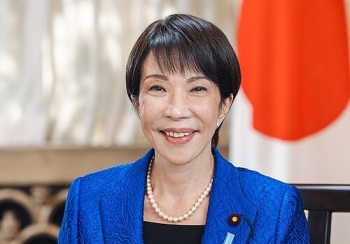
Prime Minister Sanae Takaichi has made it clear that she aims to avoid issuing a large amount of deficit-covering government bonds for a supplementary budget to counter the economic impact of the ongoing conflict in the Middle East. During debates with party leaders in the Diet on May 20, Takaichi emphasized the importance of protecting livelihoods and economic activities while minimizing the issuance of special deficit-financing government bonds. She noted that the discussion on the scale and specifics of the extra budget for fiscal 2026 has yet to commence, with surplus funds from fiscal accounts expected to become available in the coming months.
Despite previously denying the need for an extra budget, Takaichi instructed Finance Minister Satsuki Katayama to consider a supplementary budget and other measures on May 18. Opposition leader Junya Ogawa of the Centrist Reform Alliance questioned the timing of these directions, suggesting they were overdue. However, Takaichi dismissed this criticism, asserting that her instructions were not delayed. She had reportedly directed officials to explore an extra budget before the Golden Week holidays from late April to early May, though she stated on May 11 that no immediate supplementary budget was necessary.
The government is currently providing substantial subsidies to stabilize gasoline prices amid rising crude oil costs, maintaining the nationwide average at approximately 170 yen ($1.06) per liter. Democratic Party for the People leader Yuichiro Tamaki urged the extension of these subsidies through the supplementary budget, proposing a gradual increase in the trigger threshold. Takaichi expressed willingness to consider this proposal, indicating a readiness to raise subsidy levels while acknowledging the need for strategic planning.
As the closure of the Strait of Hormuz continues, companies are preparing for potential shortages of naphtha, a key petrochemical feedstock. Calbee Inc., a snack food manufacturer, announced a shift to black-and-white packaging for 14 products, including potato chips, due to unstable naphtha-derived ink supplies. Despite this, the Takaichi administration maintains that there is sufficient naphtha in overall volume, attributing current challenges to supply-chain constraints. Industry Minister Ryosei Akazawa will lead government efforts to address these bottlenecks, ensuring naphtha reaches its intended destinations.
Additionally, Takaichi reaffirmed her commitment to eliminating the consumption tax on food items, anticipating legislative proposals once the national council on social security delivers an interim report by summer. Her administration continues to navigate the complexities of economic management while responding to both domestic and international challenges.