
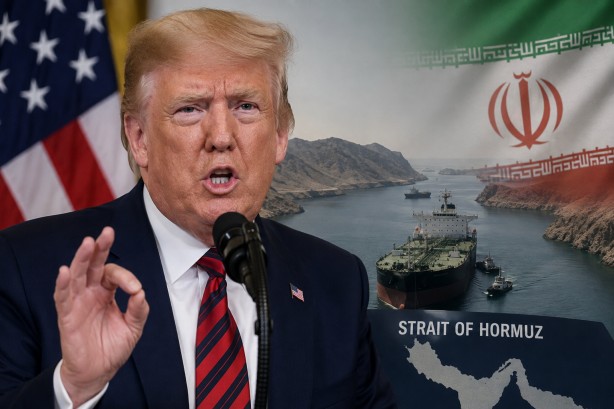
Amid rising tensions in the Gulf, Iran has issued a stark warning to nearby Gulf states, cautioning that any new military action by the United States on Iranian soil would prompt retaliatory strikes against key energy infrastructures throughout the region. This development comes on the heels of diplomatic discussions involving Iranian Foreign Minister Abbas Araqchi and high-ranking officials from Saudi Arabia, Qatar, Turkey, and Pakistan. Araqchi’s mission was to rally regional allies to persuade the U.S. to refrain from further military engagements.
The warning from Iran is a direct response to U.S. President Donald Trump’s recent threats aimed at Iran’s energy infrastructure. While Iran has expressed a preference for diplomatic resolutions, it has also made it clear that it stands ready to counteract if any aggression occurs. This stance underscores the potential for strikes on U.S. assets and critical energy facilities across the Gulf if the situation escalates.
Saudi Arabia, a key player in the region, has reportedly advocated for a strategy centered on negotiation rather than confrontation, emphasizing the importance of avoiding actions that might lead to further escalation. However, the kingdom has also stated its readiness to defend its territory if necessary, highlighting the delicate balance regional powers must maintain amidst these tensions.
Iran’s warnings extend to the possibility of targeting vital infrastructure, including oil facilities, refineries, power grids, and transport networks, should another U.S. military strike occur. This potential for action raises significant concerns about the disruption of Gulf energy supplies, which could have far-reaching consequences for global energy markets and regional stability.
As the situation remains precarious, regional leaders continue to advocate for diplomatic solutions to avert a broader conflict. The focus remains on preventing a scenario that could destabilize the Gulf and threaten the stability of global energy supplies, underscoring the critical need for careful navigation of the current geopolitical landscape.