
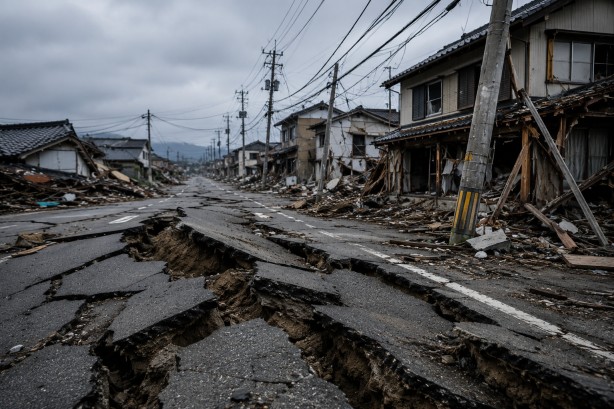
The Kyushu region of Japan has been struck by a powerful earthquake, significantly affecting the semiconductor industry. The tremor has led to the suspension of operations at several major manufacturing facilities, including those owned by TSMC, Renesas Electronics, Sony, Mitsubishi Electric, and Tokyo Electron. These companies are situated in Kumamoto Prefecture, a critical hub for chip production in Japan, often referred to as “Silicon Island.”
Despite reports indicating minimal structural damage to some factories, production lines remain idle as the delicate semiconductor equipment requires thorough inspection and recalibration. The earthquake’s impact has also disrupted transportation networks in the region, posing challenges for logistics and raising concerns about delays in the shipment of chips, which are crucial components for a wide range of industries.
The repercussions of the earthquake extend beyond the semiconductor sector. Toyota has temporarily halted operations at several of its plants due to issues related to suppliers and logistics. Simultaneously, Honda has decided to prolong the shutdown of its motorcycle manufacturing facility in Kumamoto as a precautionary measure. These disruptions highlight the interconnected nature of modern supply chains and the widespread impact a natural disaster can have across various industries.
Other manufacturers in the area are currently conducting damage assessments to determine when it will be feasible to resume full operations. The earthquake has underscored the vulnerability of critical infrastructure to natural disasters, prompting companies to prioritize safety inspections and necessary adjustments before restarting production lines.