
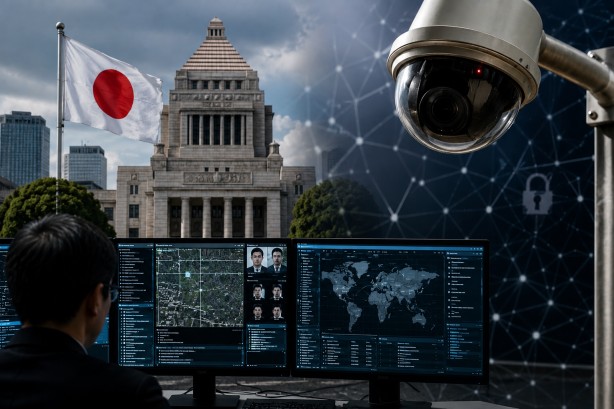
In a move aimed at bolstering Japan’s national security, the ruling Liberal Democratic Party (LDP) is set to put forward a system that would permit administrative wiretapping without the need for traditional court warrants. This proposal seeks to enhance the country’s ability to gather intelligence on foreign activities that could pose a security threat. The current system of judicial wiretapping in Japan is restricted to certain criminal investigations, but the new framework would allow for broader surveillance of communications for intelligence purposes.
The LDP’s initiative may involve the introduction of a new Foreign Intelligence Gathering Law or amendments to existing laws concerning active cyber defense. The primary focus of the proposal at this stage is on communications that transit through Japan between foreign nations, deliberately excluding domestic communications. Despite this, there is a push within some segments of the ruling coalition to extend the reach of the system to both international and domestic communications.
This plan is anticipated to spark significant debate over issues of privacy and the constitutional protections afforded to the secrecy of communications in Japan. The LDP’s proposal will likely face scrutiny not only from legal experts but also from the public, who may express concerns over potential infringements on individual privacy rights.
As the LDP prepares to navigate the complex legal and societal challenges that accompany such a proposal, the balance between national security interests and personal privacy rights will be a central theme in the discussions that follow. The outcome of this initiative will have implications for Japan’s approach to security and civil liberties in the digital age.