
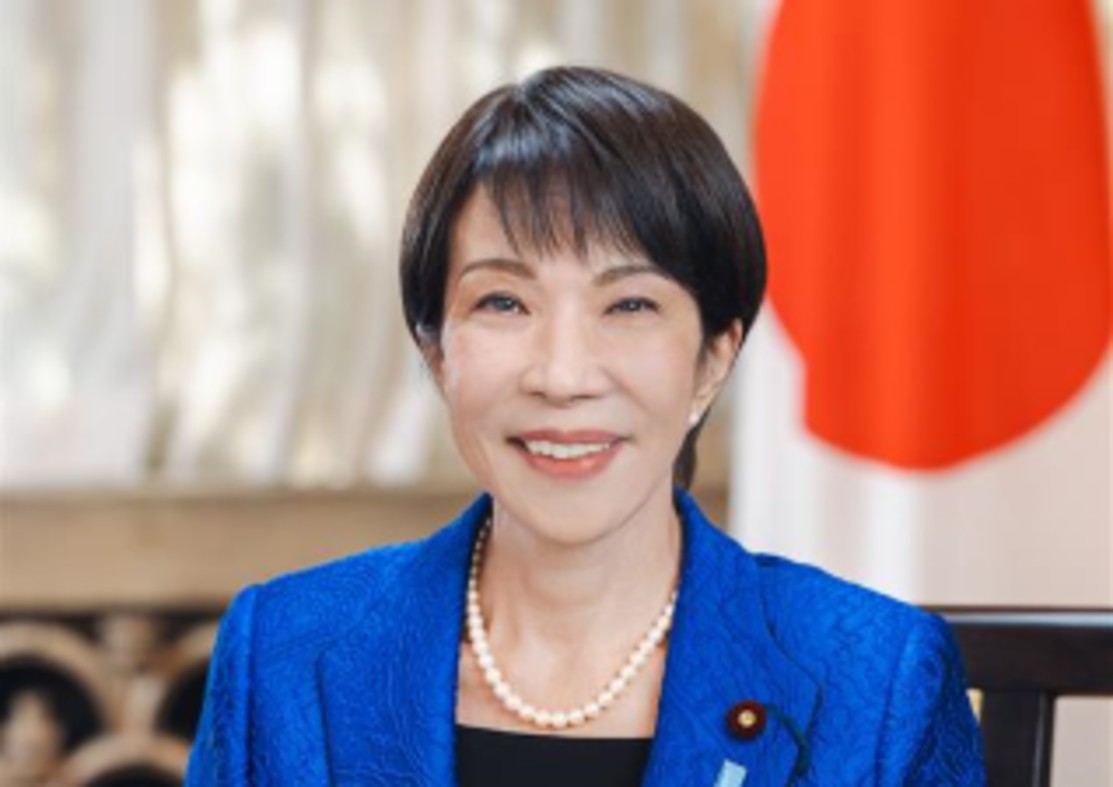
Japanese Prime Minister Sanae Takaichi’s recent visit to Okinawa has underscored ongoing disputes between the central government and the prefecture concerning military base matters and security policies. The brief meeting between Takaichi and Okinawa Governor Denny Tamaki, held during a memorial event for the Battle of Okinawa, highlighted these challenges, especially with the gubernatorial election on the horizon.
Governor Tamaki, a vocal opponent of relocating the US Marine Corps Air Station Futenma to Henoko in Nago, had been seeking dialogue with Takaichi since her rise to the prime minister’s office. However, the much-debated issue of the base’s relocation was notably absent from their discussions. The upcoming gubernatorial election has intensified political scrutiny, as the ruling Liberal Democratic Party aims to unseat Tamaki. Despite this, party officials are cautious about involving Takaichi directly in the election campaign, concerned that her firm stance on security could alienate certain voters.
As Japan continues to bolster its military presence in the southwest and engage in expanded joint exercises with the United States, concerns about Tokyo’s defense policies have risen. This is particularly sensitive for many Okinawa residents, who remain wary of security policy changes due to the island’s painful history of wartime experiences. During the memorial ceremony, Prime Minister Takaichi acknowledged the significant burden Okinawa bears by hosting US military facilities and pledged to work on alleviating this strain, while also reiterating the necessity of US forces for Japan’s security.
The issues surrounding military bases and Japan’s defense strategies are poised to be persistent subjects of debate in Okinawa’s political arena. These discussions are compounded by peace concerns and the historical backdrop of the island’s suffering during wartime, which continue to shape local sentiment and political dynamics.