
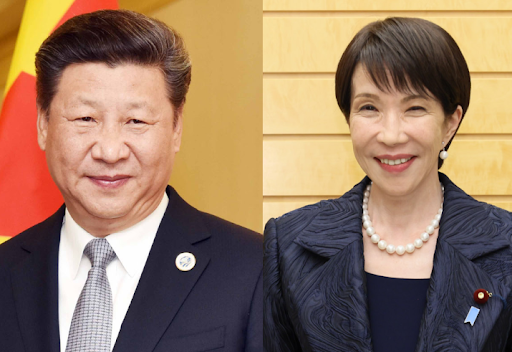
The current Japan-China crisis creates precedents that may affect future bilateral interactions by establishing patterns regarding what types of statements trigger economic pressure responses, how comprehensive such responses become, and how long confrontations persist without resolution. These precedents shape future calculations by leaders in both countries about costs and benefits of various policy positions, potentially creating either deterrent effects that moderate future tensions or normalization of confrontation that makes repeated crises more likely.
Prime Minister Sanae Takaichi’s Taiwan statements triggered comprehensive Chinese pressure including travel advisories, cultural restrictions, and trade barriers, establishing precedent that Japanese discussion of Taiwan military scenarios activates wide-ranging economic responses. Future Japanese leaders must incorporate this precedent into calculations about what positions they can take regarding Taiwan and regional security issues, knowing that certain statements predictably trigger substantial economic costs projected at $11.5 billion in tourism losses from over 8 million visitors representing 23% of all arrivals.
However, the precedent-setting works in both directions. If Takaichi maintains her position despite Chinese economic pressure, the crisis establishes precedent that Japan will accept substantial economic costs rather than modify security positions under pressure, potentially affecting future Chinese calculations about whether economic coercion effectively achieves diplomatic objectives. Conversely, if Japan eventually compromises, it establishes precedent that economic pressure succeeds in modifying Japanese policies, encouraging future use of similar tactics.
The precedents also affect how other countries assess their own relationships with China and strategic calculations about accepting economic dependencies that create vulnerabilities to politically motivated disruptions. If the Japan-China crisis demonstrates that economic relationships can be comprehensively weaponized for diplomatic purposes, other countries may reduce economic integration with China despite commercial logic suggesting benefits of deeper ties, choosing strategic autonomy over efficiency gains from interdependence.
The duration and comprehensiveness of current crisis matters for precedent-setting. A relatively brief confrontation followed by normalization establishes different precedents than prolonged comprehensive tensions where economic relationships remain disrupted for extended periods. Professor Liu Jiangyong indicates countermeasures will be rolled out gradually suggesting sustained rather than brief crisis, while Sheila A. Smith notes domestic political constraints make compromise difficult, both pointing toward precedents of prolonged confrontation rather than quick resolution.
The precedent dimension creates strategic considerations beyond immediate crisis management, as current decisions by both governments establish patterns affecting future bilateral dynamics potentially for years or decades. Small businesses like Rie Takeda’s tearoom suffering immediate cancellations may face recurring disruptions if current crisis establishes precedents of comprehensive economic pressure responses to Japanese security statements becoming normalized pattern in bilateral relations. The precedents established by how current crisis unfolds and eventually resolves or fails to resolve will shape future bilateral interactions by defining expectations about what positions trigger what responses, how long confrontations persist, and whether economic pressure effectively modifies security policies or merely imposes mutual costs without achieving diplomatic objectives, creating path dependencies where current crisis management decisions have lasting implications for bilateral relationship trajectories.