
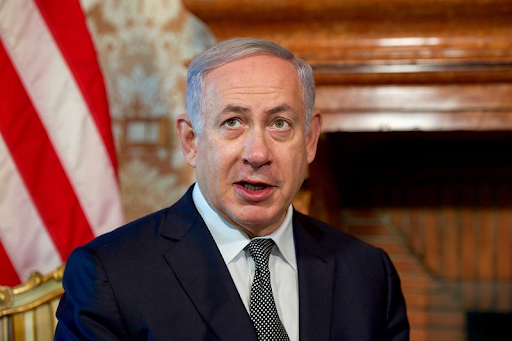
A great realignment of strategic interests is unfolding in the Middle East, with old enemies like Israel and Syria now exploring new security partnerships. Prime Minister Benjamin Netanyahu confirmed this tectonic shift on Sunday, stating that the war against the common threat of Iranian-backed proxies like Hezbollah has created a new basis for cooperation.
The most stunning feature of this realignment is the direct peace talks between Israel and a post-Assad Syria. The new government in Damascus appears to see more benefit in a stable border with Israel than in the old alliance with Iran. A Syrian official has confirmed they are working to finalize new security arrangements by the end of 2025.
This realignment is also forcing a choice in Lebanon. The government in Beirut is being pushed to align with the forces of state sovereignty and stability, represented by the U.S. and a potentially peaceful new regional order, rather than the disruptive agenda of Hezbollah and its patrons. Its decision to disarm the militia is a clear step in this new direction.
Netanyahu described the logic of this new landscape. “Our victories in Lebanon against Hezbollah have opened a window,” he said, suggesting the defeat of the old guard has made this realignment possible. He confirmed “some progress” in forging a new understanding with Syria.
The contours of this new alignment are taking shape. A demilitarized border with Syria and a sovereign Lebanon would create a new northern bloc focused on stability, fundamentally altering the strategic map of the Middle East.